

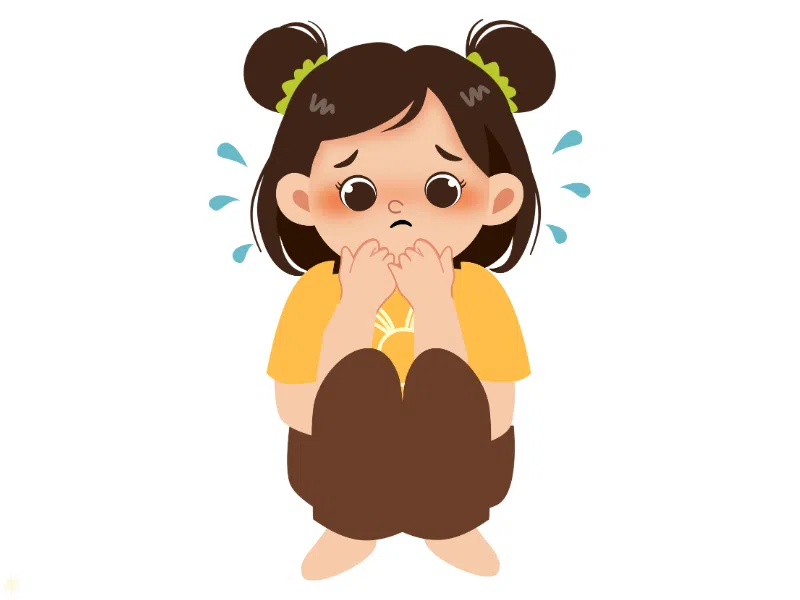
As the End of the Year Approaches
As the end of the year approaches, many families and educators start noticing a familiar pattern: more overwhelm, more sensory stress, and more meltdowns or panic attacks. In our home, we’re definitely seeing this too. The combination of busy schedules, unpredictable environments, social demands, and general end-of-year fatigue can make everything just a little harder to manage.
If you’re seeing similar patterns, you’re not alone.
Whether you’re a parent, carer, educator, or support worker, recognising early signs and knowing how to respond calmly can make a huge difference. Meltdowns and panic attacks can look different from child to child, but the underlying truth remains the same: they are not misbehaviour, they are communication.
Below is a supportive guide to help understand these moments with empathy and clarity.
Why This Time of Year Can Trigger More Meltdowns
The end of the year often brings:
-
School transitions
-
Changes in routine
-
Busy classrooms
-
Increased noise
-
Social events and expectations
-
Emotional exhaustion
-
Daylight changes and weather shifts
For many autistic individuals, these layers of unpredictability can push their nervous system closer to overwhelm. In our family, we’ve found that even small changes that might seem manageable in quieter months can feel like too much right now.
Awareness is empowering. The more we understand, the more we can support.
Early Signs of Rising Distress
Every autistic person’s regulation profile is unique, but there are common early indicators that signal a need for support. These may show up gradually or suddenly, and noticing them early gives us a chance to respond before things escalate.
Physical Signs
-
Fidgeting or pacing
-
Covering ears or eyes
-
Becoming very still or tense
-
Rapid breathing or difficulty focusing
Emotional Signs
-
Saying “I can’t” or “This is too much”
-
Heightened frustration
-
Tearfulness
Behavioural Signs
-
Withdrawing
-
Going quiet or becoming non-verbal
-
Needing more control over small details
-
Isolating or avoiding group activities
Sensory Signs
-
Complaints about loud noise, bright lights, or busy rooms
-
Seeking quiet spaces
-
Becoming overwhelmed during transitions
Social Signs
-
Misreading interactions
-
Struggling in group settings
-
Becoming easily frustrated with peers
Recognising these early cues is key and often helps prevent bigger emotional storms from erupting.
What to Do When a Meltdown or Panic Attack Occurs
Meltdowns are not something you fix, they’re something you support.
During these moments, the priority is safety, calm, and reducing stimulation. Think of it like helping someone move through a strong emotional current until the water becomes calm again.
Helpful responses include:
-
Stay calm and speak softly
-
Use minimal words
-
Offer reassurance, such as “You’re safe” or “I’m here”
-
Reduce noise, lights, or crowds if possible
-
Give space without abandoning
-
Avoid touch unless the person indicates it helps
-
Offer familiar sensory tools
-
Allow plenty of time to recover
Patience matters. Pressure prolongs distress. Connection helps soothe it.
Aftercare: Supporting Regulation When the Storm Has Passed
After a meltdown, a person may feel tired, emotional, embarrassed, or disconnected.
Gentle recovery is important.
Supportive aftercare includes:
-
Quiet decompression time
-
Reassurance that they are not in trouble
-
A calming choice, such as water, drawing, or a walk
-
A slow and gentle transition back to activity
No consequences. No analysis. Just reconnection and safety.
Building Long-Term Skills (Slowly and Kindly)
Developing emotional awareness and coping strategies works best when the person is calm, not in distress. Over time, small and simple practices help build resilience:
-
Using colour charts or feelings scales
-
Practising calming techniques in quiet moments
-
Encouraging self-advocacy, such as “I need a break”
-
Celebrating efforts toward self-regulation
Little wins add up. Even on the hardest days, they are learning.
A Personal Reflection
In our home, we’ve definitely seen an increase in emotional overwhelm lately. Days are busier, noise levels are higher, and routines feel less predictable. It’s reminded us to slow down, look for early signals, and respond with gentleness, not urgency.
Some days are harder than others, but with understanding, patience, and the right supports, we all find our way back to balance.
Autistic meltdowns and panic attacks are not a sign of failure. They’re a signal that someone needs support, safety, and compassion.
This time of year can be especially challenging, but together we can create environments that feel:
-
Predictable
-
Calming
-
Supportive
-
Understanding
And most importantly, safe.
By Kylie Gardner