

When we hear the word label, many of us instinctively think of something negative. We don’t want our children boxed in, defined by one word, or treated differently. But here’s the truth I’ve learned: labels in the neurodivergent and disability world are not about restriction—they’re about liberation 💡
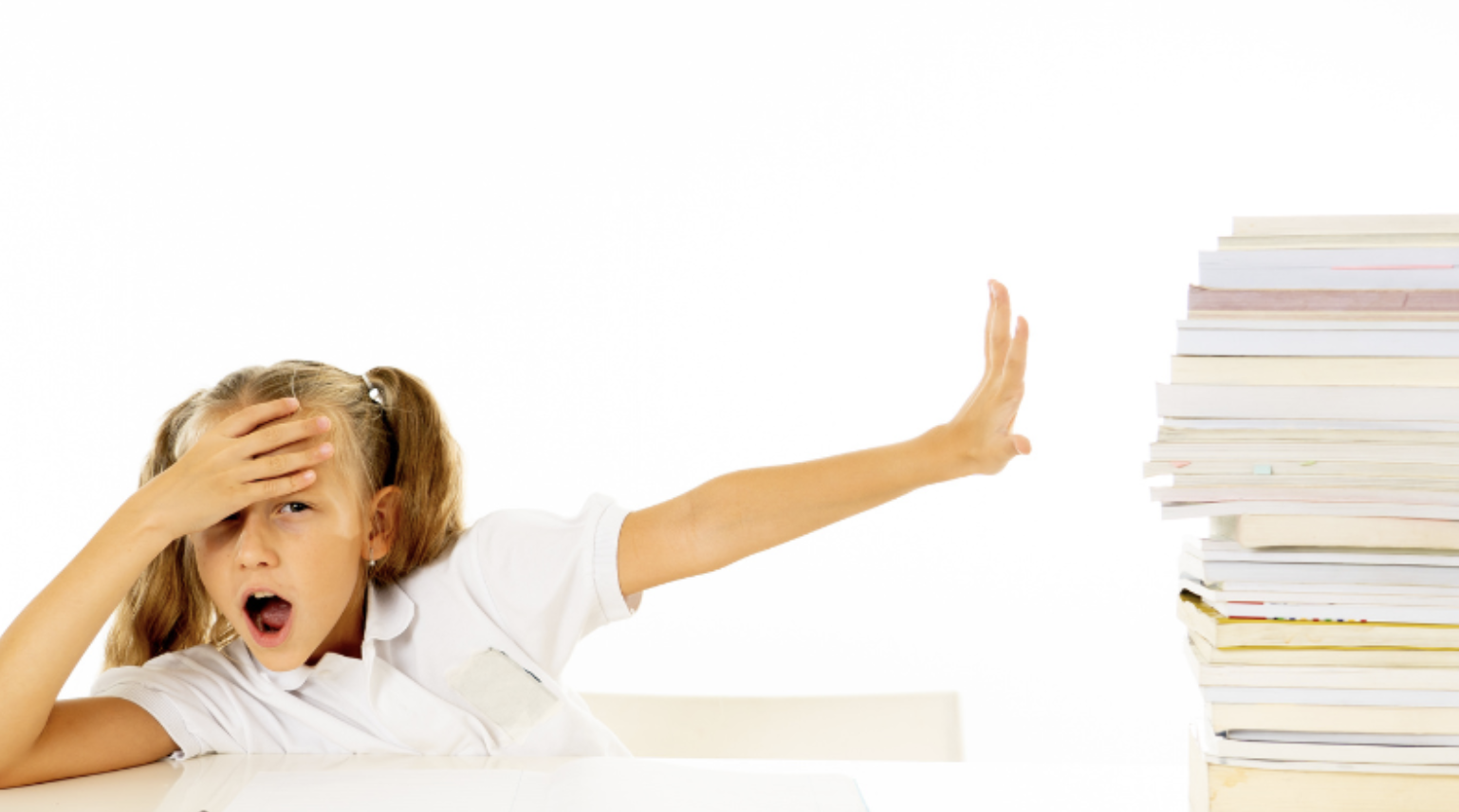
Without the right label, children (and adults too) are labeled anyway. Not by doctors, therapists, or support systems, but by society. By teachers, classmates, family members, and even by themselves. The words they receive in the absence of understanding are often harsh: lazy, naughty, stubborn, inflexible, rude, dramatic, careless.
I’ve seen firsthand how damaging these kinds of labels can be. They stick. They dig in. A child who keeps being told they’re “too much” or “not enough” starts to believe it. They internalise those messages and carry them like heavy stones 🎒 long after the people who said them are gone.
But when we seek out an official diagnosis, a professional label, something powerful shifts. Suddenly, what once looked like “rude” might actually be sensory overwhelm. What once was called “lazy” might be executive functioning challenges. What was “stubborn” might be anxiety. The right label reframes the story.
A diagnosis doesn’t define a child—it explains them 🌱
It gives us language. It opens doors to support. It creates understanding and compassion where judgment once lived.
It tells a teacher, “This child isn’t naughty—they need a different learning approach.”
It tells a parent, “You’re not failing; your child’s brain just works differently.”
It tells the child themselves, “You are not broken. You are not wrong. You are not alone.”
Facing Criticism from Other Parents
Over the years, I’ve also heard other parents say, “I don’t want my child to be labeled,” and I’ve even been criticised for giving my children labels. At times, it stung. But I never questioned whether I was doing the right thing.
I’ve come to realise that those comments often come from fear. Fear of judgment. Fear of stigma. Fear of their child being treated differently. But what I see is this: avoiding a label doesn’t protect a child—it leaves them more vulnerable.
Without an accurate diagnosis, the world still gives them labels… just the wrong ones.
And those wrong labels can do far more harm than the right ones ever could. A supportive label opens doors. An unsupported child is left carrying shame.
So now, when someone questions me, I answer gently but firmly:
I choose labels that empower my children, so the world doesn’t choose labels that hurt them.
Labels are tools. They are bridges. They are keys 🔑 that unlock support, funding, accommodations, and—most importantly—acceptance.
Without them, we risk leaving our children unprotected from the crueler, inaccurate labels the world throws at them.
I’d rather my child be labeled autistic, ADHD, dyslexic, disabled—because those labels come with paths forward—than be mislabeled as lazy, naughty, or rude. One set of labels opens hearts. The other closes them.
And at the end of the day, a label doesn’t change who our child already is—it simply helps the world see them more clearly 🌟
By Kylie Gardner
The A List